Pregnancy and Parenting Blog

Information you can trust

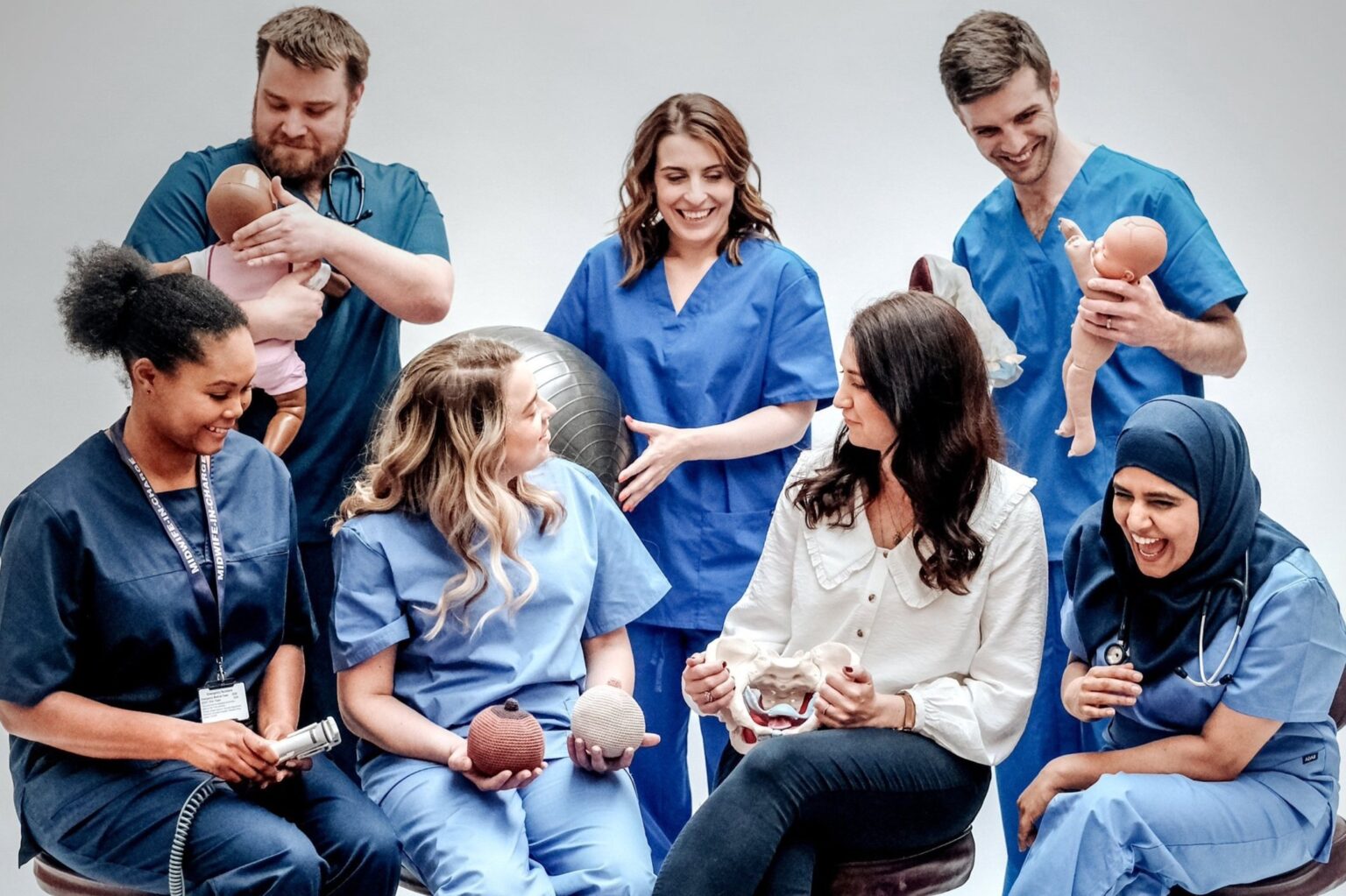
Pregnancy and early parenting can be overwhelming, with endless Googling and unsolicited advice. Our team of NHS medical professionals provides realistic, evidence-based guidance you can trust—no judgment, just support. Explore trimester tips, birth prep, and honest insights from real parents. It’s all here, and we’re here if you need more. 

All the information in these articles is written by medical professionals working within the NHS, with MBBS, Masters or PHD qualifications. 

Categories
Blog Posts – Category Select Filter

Vaccines are a key way of protecting ourselves and our families from infectious diseases. The benefits of having them outweighs the risks of getting any disease, especially when pregnant.

A non-invasive pre-natal test (NIPT) is an extra screening test some couples choose to have to check for chromosomal abnormalities at 10-14 weeks, alongside the NHS Dating & Nuchal Translucency scan.

In the first 72 hours after your baby is born they will be physically examined by doctors or midwives to check for any issues. This will usually take place in hospital after you have given birth and preferably both parents will be there for it. If you give birth at home, a midwife or health visitor will carry out the check.

Postnatal depression (PND) is a common illness which can affect mothers and fathers after the birth of their baby. NHS figures show it can affect more than 1 in 10 women within a year of the birth. Read on to learn more about the symptoms, causes and ways to treat PND.

6% of women will experience a third or fourth degree tear during their first vaginal labour. This kind of tear is also known as an obstetric anal sphincter injury (OASI). A third degree tear will extend down from the vagina to the perineum and anal sphincter and a fourth degree tear will extend into the back passage.


Tearing during a vaginal labour is probably one of the top fears many women have before giving birth. You might be surprised to learn that 9 in 10 women will experience some kind tear, graze or episiotomy when giving birth. Read on for more information about vaginal tears during labour.

Skin-to-skin contact refers to laying a newborn baby on a mother’s bare chest immediately after birth. Read on to learn more about the incredible benefits of skin-to-skin.

Around 1 in 4 women in the UK has a caesarean birth and this may be planned or unplanned. A gentle c-section, or ‘natural’ c-section as it is sometimes called, is very similar to a normal c-section except that it can be made more personal for you and your partner.

A stretch and sweep, is a way of bringing on labour if you are overdue. It will be one of the first things your midwife will offer to you, before other methods of induction.

As you approach your due date you may start thinking about some ways to try to bring on labour. In this article we look at some of the myths surrounding the onset of labour and see what might actually work!

Need Help?

You can get answers to all your questions in our Help Centre

As seen in...

Hello Magazine BBC Channel 4 This morning itv Daily Mail Grazia Hello Magazine BBC Channel 4 This morning itv Daily Mail Grazia